Tags
blossoms, Botanic Garden, flowers, form, haiku, hospital form, Ithaca, leaves, nature, photography, photos, poetry, religion
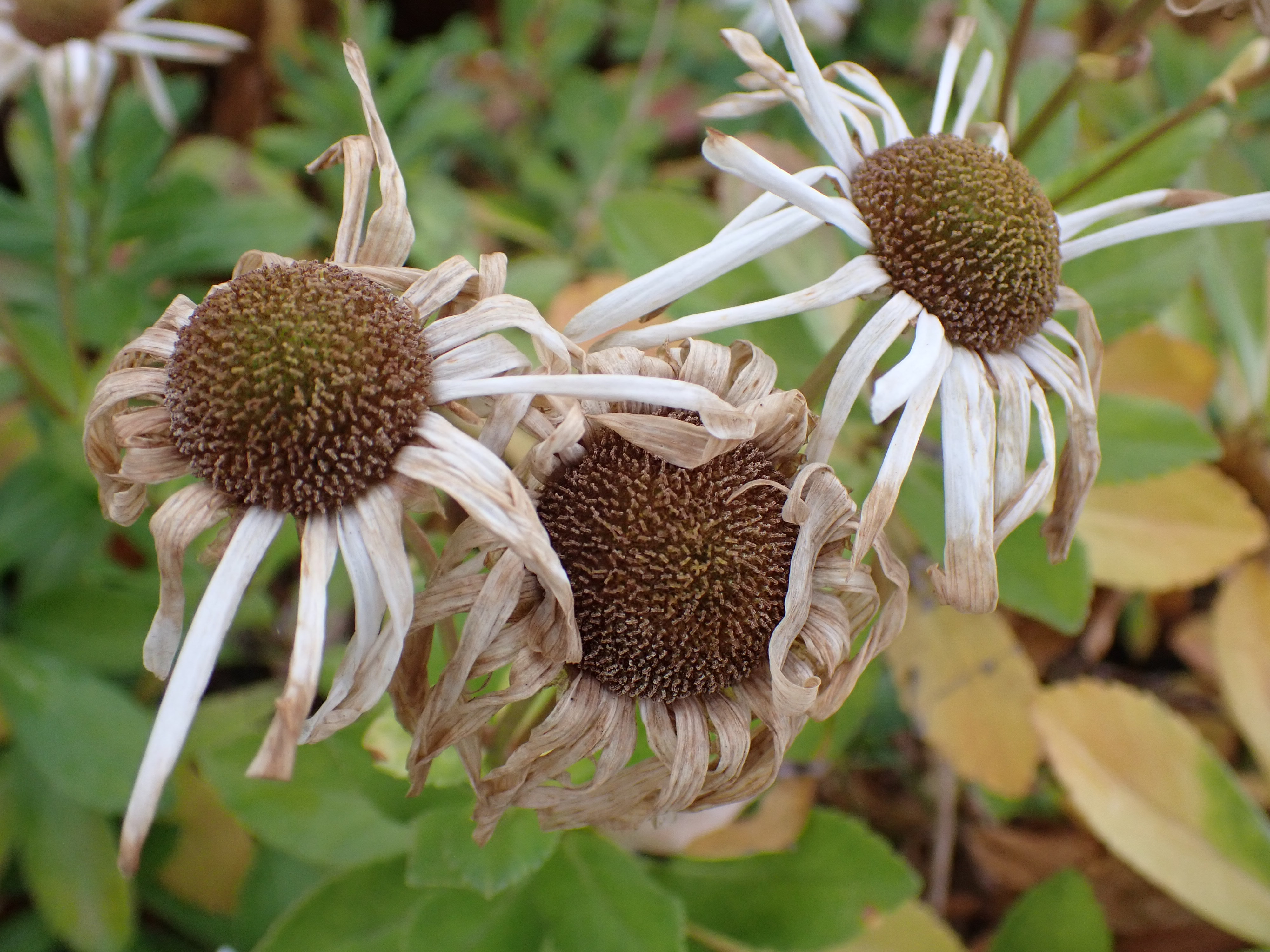
hospital form
for religion
I put Haiku

Posted in americana, close up details, Cornell, flowers, gardens, haiku, Ithaca, leaves, nature, photos, plants, poems and photos, Published Poems, senryu, spring
Tags
blossoms, Botanic Garden, flowers, form, haiku, hospital form, Ithaca, leaves, nature, photography, photos, poetry, religion
hospital form
for religion
I put Haiku
12 Thursday Nov 2026
Posted in Mann Library Daily Haiku
every prayer I’ve ever asked kneeling oak
-Agnes Eva Savich
12 Thursday Nov 2026
Posted in americana, autumn, close up details, haiku, Ithaca, nature, photos, poems and photos, vines
12 Thursday Nov 2026
Tags
9-19-98, haiku, Haiku Society of America, Haiku Way of Life, poem, poems, poetry, reading, Readings, tom clausen, writing
A beginning place for me is to go back to the haiku I read and the various books and
essays about haiku which made indelible impressions and so captivated me at that time.
To this day, the gift and sense of those earliest readings remain very strong.
The first haiku I encountered were in Cor van den Heuvel’s HAIKU ANTHOLOGY,
R.H. Blyth’s multi-volume series and numerous individual books by authors I discovered
through Cor’s Anthology.
Ten (now twenty-some) years ago, when I first dipped my toe into the haiku pond rather
tentatively, I was nervous with excitement and amazed at how kindred and welcoming
my first contacts were. The feeling that I got from haiku was true gladness to have
discovered a manner of expression that completely clicks for me – it simply felt right,
perfectly concise, precise and not telling me how or what to feel as much as simply
giving me the wholly decent chance to get there on my own. The brevity and discipline
of the haiku form was the obvious antidote to combat my tendency toward wordiness,
overstatement and excess. It was entirely refreshing to me that haiku insisted on the
writer utilizing the fewest words possible – to convey the poetic in the ordinary
anywhere, anytime.
I can remember early on being so happy with haiku that internally I vowed to read and
write haiku for the rest of my life. Such was the appeal and strength of feeling I had then
and still have to this day.
Admittedly, in these past ten years there have been moments of doubt, dry spells, lulls
and wonders – if I had maybe lost my way and lost interest in haiku. Yet repeatedly, I’ve
discovered that reading haiku and finding good poems can and will spark my interest
and get me going again. A great haiku is its own best endorsement. To read a great haiku
is bound to reinvigorate anyone who has at any time felt the magnetic charm of haiku.
The true satisfaction I get from each great haiku is but one of the reasons I avidly remain
engaged and feel assured now as I did ten years ago, that I’ll keep reading and writing
for a long time to come if not for the rest of my life.
Haiku puzzle me. There are many haiku I read that don’t move me and do disappoint.
Yet I find most haiku at least pleasant and many I find wonderfully intriguing, even
inspiring. The very best haiku often appear seamlessly “easy” to have written. This, of
course, is rarely so, which makes the illusion of ease beguiling. Speaking for myself
here, I feel no closer to any consistent ability to write a good haiku now than I did when
I began ten years ago. This phenomena is both compelling to keep at it, and of course, a
bit to a lot frustrating. It does guarantee a perpetual state of beginningness that is
somewhat unique and humbling. It is quite appealing that haiku are highly portable and
can be worked on as an exercise in the mind wherever you are until it becomes itself,
just right.
John Stevenson once wrote in a letter to me that he viewed his joining the haiku
community on the order of moving to a new small town where the community was both
welcoming and eclectically interesting. I knew what he meant – it spoke well for my
own sense of connection and camaraderie that began almost immediately after I read a
news article in an Ithaca paper profiling Ruth Yarrow. Shortly after reading this
awakening article, I sought out anything “haiku” I could find – my first source was Cor’s
Haiku Anthology through which I then subscribed to Modern Haiku, Frogpond, Wind
Chimes and Brussel Sprouts, to name a few.
The breadth and brilliance I discovered in the many voices I read at that time instantly
aroused in me a sense of deep inner knowing and inspiration that is the connection of a
well-conceived haiku. I’ll never forget the initial immersion and beautiful opining I felt
reading poems like these from Cor’s Anthology:
time after time
caterpillar climbs this broken stem
then probes beyond
– James Hackett
the swan's head
turns away from sunset
to his dark side
– Anita Virgil


hot night
turning the pillow
to the cool side
– Cor van den Heuvel
And the following two by John Wills that are haunting in their dreamlike poignancy:
the river
leans upon the snag
a moment
I am so drawn to that snag, the force of that river and that perfectly rendered moment
where the snag no longer can hold forth and surrenders. It is staggering that eight words
can convey something so evocative and dynamic.
boulders
just beneath the boat
it’s dawn
Here we are given the earth, the waters and the heavens, with us in the boat to help us
recognize just where we are in this life – very much in between all these eternal forces.
These poems and many others I’d love to share, compel me to constantly search for the
next holy or purely precious haiku. I thoroughly enjoy the arrival of each new haiku
magazine and the perusal that follows. I keep notebooks of my personal favorites and
enjoy the internal sensation that goes into each selection.
With my own writing, I have learned repeatedly not to trust myself and to graciously
place my trust in the editors, haiku community, friends and my wife to discern what is
truly worthy of being submitted or published. Here is my sense of what goes into haiku
creation – from a letter written to Jim Kacian:
Over the years I’ve valued very much the little notes of feedback from editors – we each
find our way more or less collectively by virtue of the community where the group is
constantly giving guidance to the individual. I often feel than any little success I’ve had
is less about me and more about the range of editors and haiku friends, and the
guidance I’ve received simply be reading widely what’s out there, then forgetting it, but
letting the spirit of it seep into and permeate my
being …
I am tremendously grateful for the work of editors who in tireless devotion sift and cull
from the masses of submission those that they deem worthy. The number of off-base,
uninspired, and maybe even embarrassing attempts at haiku I’ve created over this past
decade is highly relevant to why I must keep at it. With hope that an improved sense of
craft and consistency will develop!
Somewhere I read that Basho wrote about 2000 haiku in his life of which 100 or so are
considered excellent, and of which he believed there were maybe ten that truly hit the
mark. This is a tough ratio but perhaps holds a realistic perspective for us all. Excellent
haiku craft requires tireless resolve to keep at it despite the misses and bunches of
weaker attempts, with hope that out of the effort will surely come some keepers, and, if
we are lucky, serendipity may provide an opportunity to create a haiku that will stand the
test of time.
There is no way to predict what will become worthy, but the whole process of jotting
notes, refining, submitting and seeing what gets selected is a near endless divination of
what is and is not haiku. This could playfully be called the Haiku Wars and they are no
doubt as endless as the poets putting their heart into the form. It is worth keeping at it
just to see what and who next will break the surface of our haiku pond, either jumping
in, feeding or getting out.
A major reason I keep reading haiku is that I hope to find good ones or another haiku
that simply “wows” me and fills me with a grateful sense of being alive, so that I am one
with that haiku moment (even if just a flash!).
At work nearly ten years ago, I posted this poem by Ryokan:
the thief left it behind
the moon
at the window
No matter when or how many times I read and feel this poem’s koan quality, I am glad
for it, for myself, for all life, for this world. Perfectly, in three lines is the solace of truth
and mystery conceived.
A real blessing of haiku is its portable, direct simplicity that allows a favorite poem to be
kept in mind. As I prepared what to say today, I opened a fortune cookie that seems right
to share here today, and perhaps holds the key to what appeals above all else in each of
us about haiku:
Keep it simple. The more you say the less people remember.
In this spirit, a haiku by Ruth Yarrow that I’ve meditated on over and over:
after the garden party the garden
This great one liner says practically all I could want to say about human existence. We
each are part of a garden party, yes, but the garden after the party is the place we alone
seek out to find ourselves and our deepest nature.
Once on a hospital form, under the category of religious affiliation, I checked “other”
and wrote “haiku.” Haiku to me is a way of life, a choice of focus and a form of spiritual
appreciation requiring us – reminding us to see beyond self or as Basho said, Haiku is
simply what is happening in this place at this moment.
HAIKU HAPPENS, as a bumper sticker proclaims, will happen to us only if we remain
open and ready to engage in the range of myriad nuances and subtle cues from nature
that are voices simultaneously taking us inward and outward, connecting us with the
nature we have come from and will return to.
In R.H. Blyth’s THE HISTORY OF HAIKU, he lists thirteen characteristics of the state
of mind which the creation and appreciation of haiku demand. They are:
11 Wednesday Nov 2026
Posted in Mann Library Daily Haiku
summer storm
the zap of the sheets
as he climbs in
-Agnes Eva Savich
11 Wednesday Nov 2026
Posted in americana, autumn, close up details, haiku, leaves, nature, photos, poems and photos, Published Poems, snakes
Tags
autumn, autumn warmth, eye-to-eye, garter snakes, haiku, identities, nature, photography, photos, poetry, slipstream, snake, years
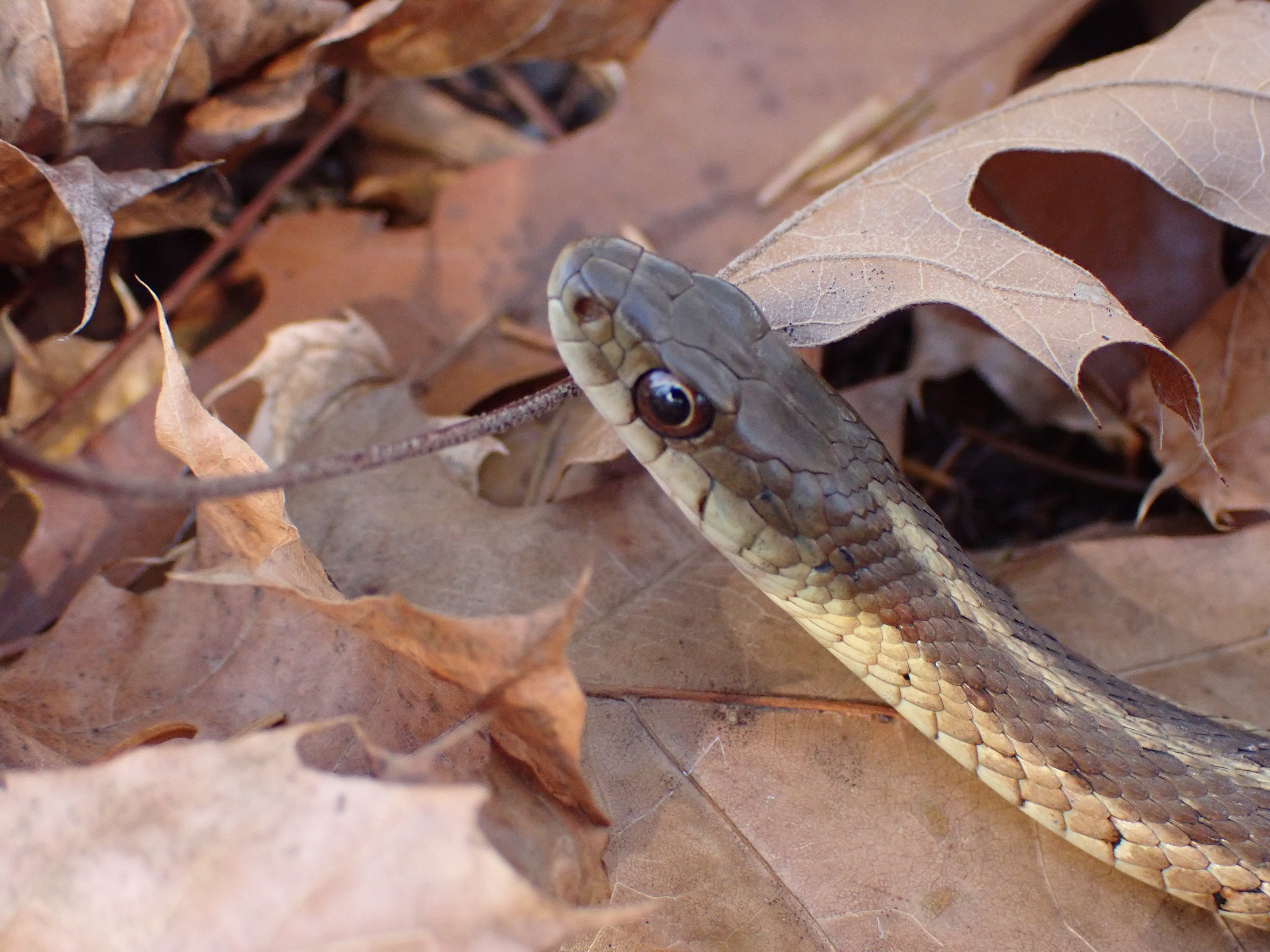
through the years
a slipstream
of identities
10 Tuesday Nov 2026
Posted in Mann Library Daily Haiku
hurricane
a broken limb cradled
by its maple
-Agnes Eva Savich
10 Tuesday Nov 2026
Posted in americana, autumn, close up details, gardens, nature, paths, photos, poems and photos, Published Poems, tanka
Tags
all over again, autumn, berries, haiku, interested, life, living, nature, photography, photos, poetry, some times, speaking out
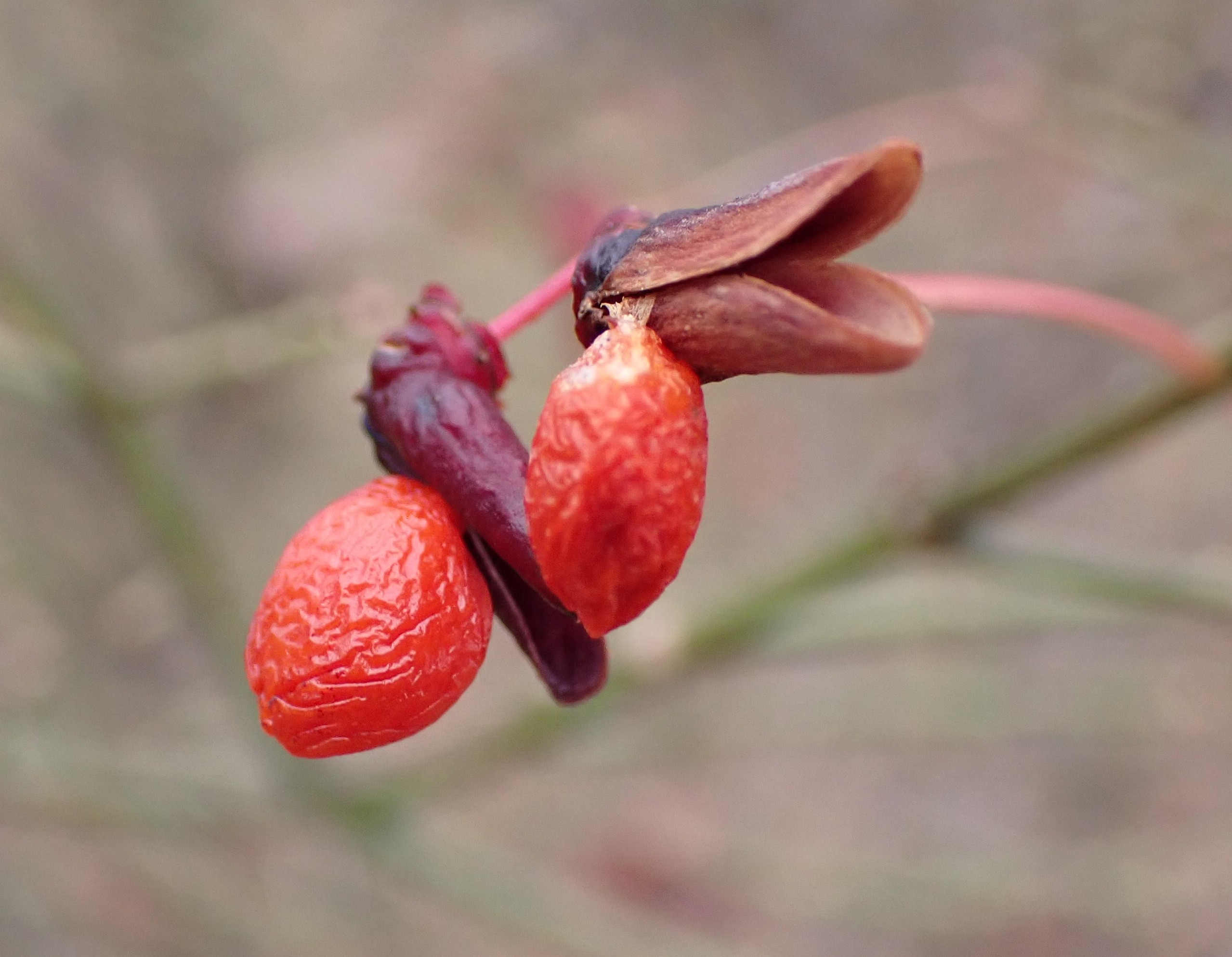
some times
I’d be interested
in living my life
all over again ,
some times
09 Monday Nov 2026
Posted in Mann Library Daily Haiku
absorbing the sea
with every deep breath…
clifftop pine
-Agnes Savich
09 Monday Nov 2026
Posted in americana, autumn, close up details, leaves, nature, photos, poems and photos, Published Poems, raindrops, tanka, water reflections
07 Saturday Nov 2026
Posted in americana, autumn, close up details, flowers, gardens, haiku, nature, paths, photos, poems and photos