Tags
haiku, hedgerow, little poems, poetry, Published Poems, senryu
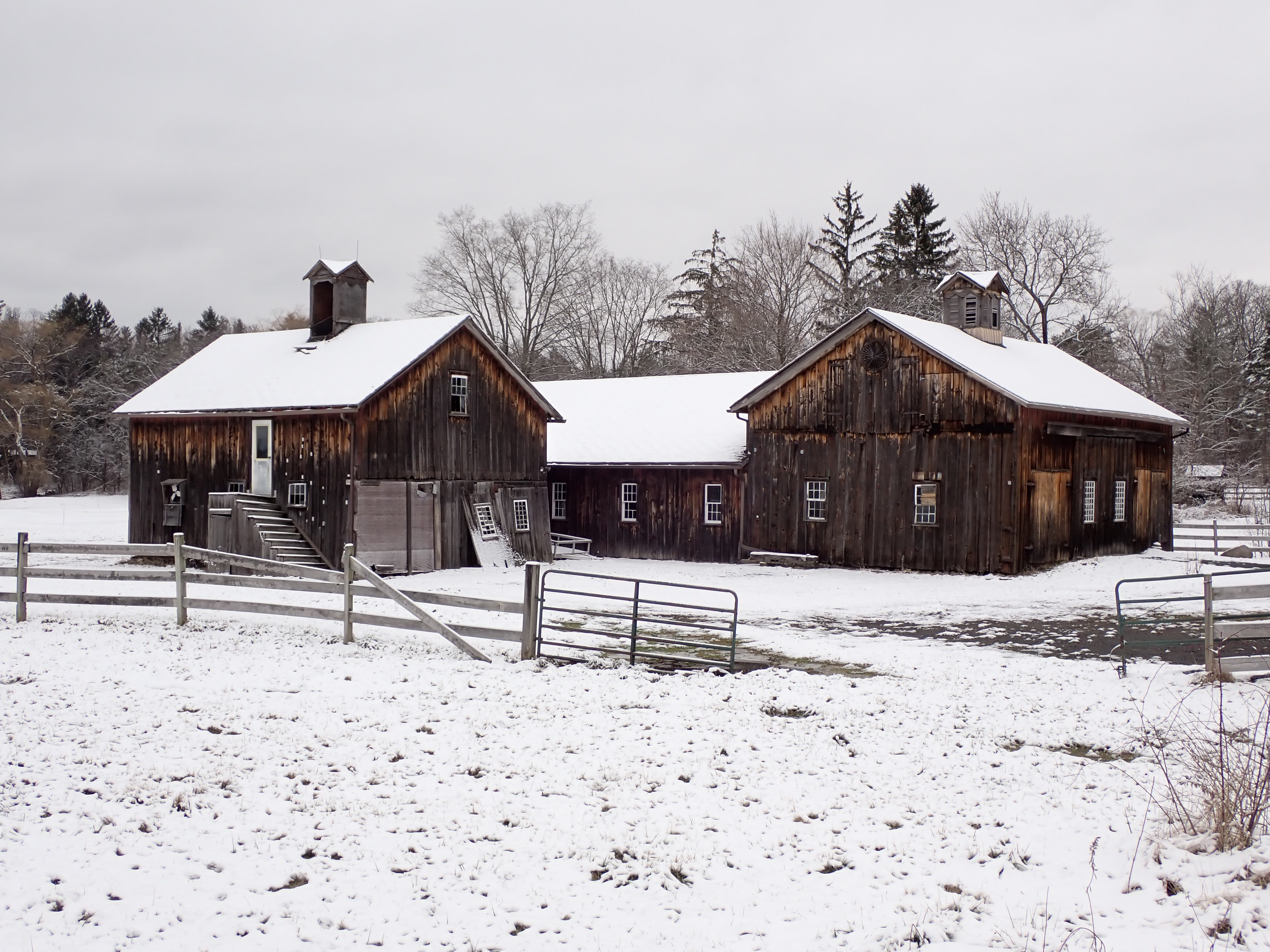
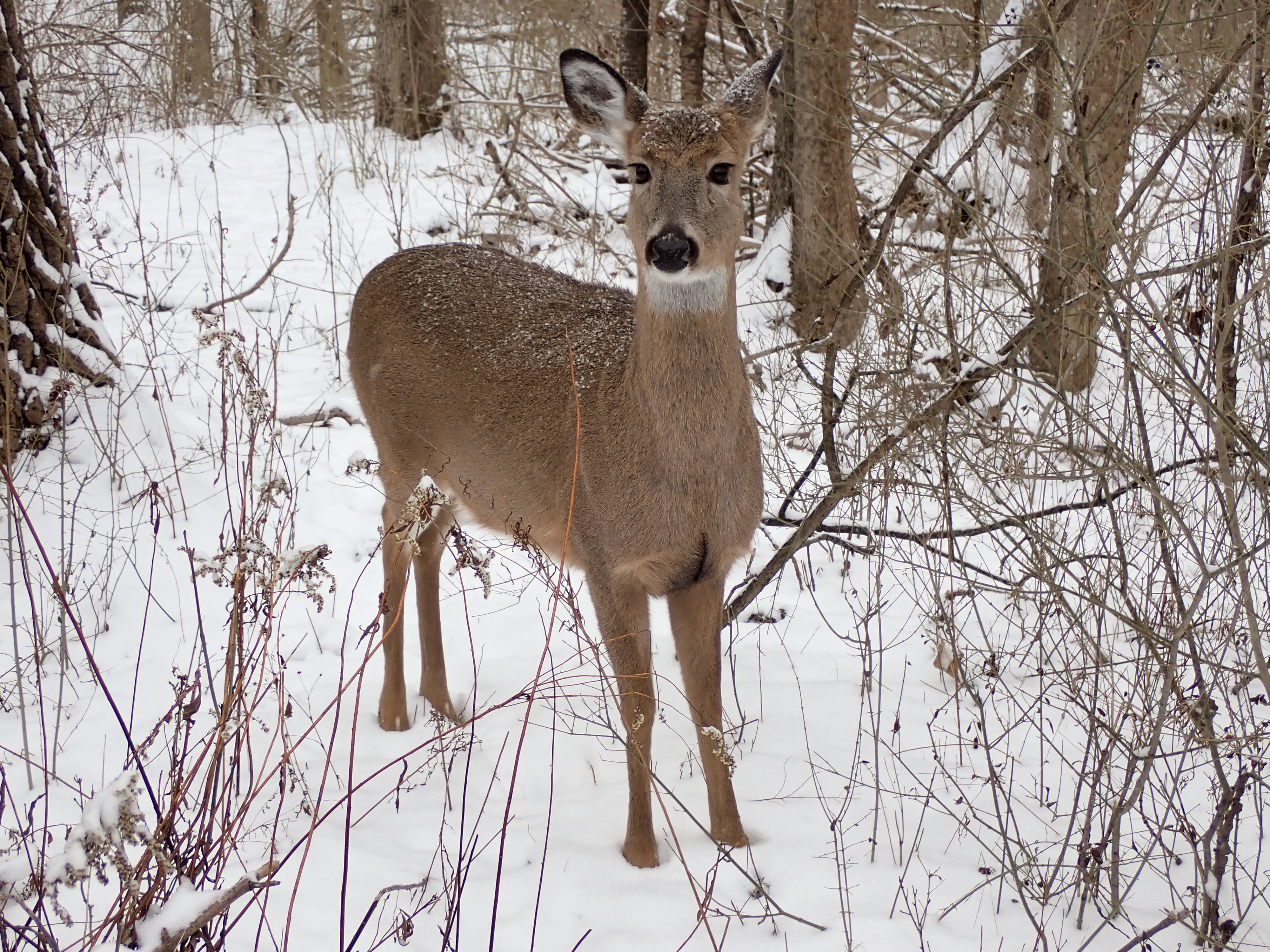
snowfields-
would I know
if I lost my mind
hedgerow #138 2022
21 Tuesday Jun 2022
Posted in haiku, hedgerow, Published Poems, senryu
Tags
haiku, hedgerow, little poems, poetry, Published Poems, senryu
snowfields-
would I know
if I lost my mind
hedgerow #138 2022
20 Monday Jun 2022
Posted in haiku, Modern Haiku, Published Poems, senryu
Tags
haiku, little poems, Modern Haiku, poetry, Published Poems, senryu
going the same way…
exchanging looks with the driver
of the hearse
autumn field-
the vitamin slowly dissolves
in my mouth
Modern Haiku vol. XXVI no.2 Summer, 1995
20 Monday Jun 2022
Posted in Akitsu Quarterly, haiku, Published Poems, senryu
autumn rain
the way passions
are given up
winter landscape vanishes into itself
morning tea
I straighten up
my posture
Akitsu Quarterly Spring 2022
19 Sunday Jun 2022
Posted in Frogpond, haiku, Published Poems, senryu
Tags
high clouds-
the cows all grazing
one way
up close
to share a dirty joke
-his bad breath
Frogpond vol. XXI no.3 1998
18 Saturday Jun 2022
Posted in haiku, Modern Haiku, Published Poems, senryu, Tom Clausen biographical info
Also living in New York state, but tending to write haiku about more cheerful, domestic scenes, is Tom Clausen. Though he treats the ups and downs of marriage and being a parent, his experience seems to have been that the ups seem to make up for the downs. He first learned of haiku in the early 1980s when a friend gave him the “Autumn” book of R.H. Blyth’s four-volume Haiku. Though he was interested, he did not seriously take up the genre until 1988, after he read an article about Ruth Yarrow, who was then living in Ithaca, N.Y.
Clausen has lived almost all his life in Ithaca. He was born there on August 1, 1951, and lives there now, in his childhood home with his wife and two children (and two cats). He writes that his parents encouraged him to keep a journal at a very young age. By the time he went to college he was “well into the habit of writing to record experiences and to find expression for thoughts and feelings in solitude.” After college (Cornell University, 1973) he took a series of bicycle trips in North and Central America and helped develop his literary skills by writing letters about his experiences on the road. By 1980 he had begun to write what he “hoped were poems.”
Many of Clausen’s haiku are about his family and his relationships with his children and his wife. This emphasis may show Yarrow’s influence on his work. Here is a senryu about his daughter and another about his wife and cat, which presumably refers to something the poet has said (or it could be understood as a small child mimicking an adult):
after speaking importantly
she quickly resumes
sucking her thumbto the cat
“that’s complete and
utter nonsense”
Clausen writes,
Haiku has consistently appealed to me as a means of centering, focusing, sharing, and responding to a life and world bent on excess. As the layers of my own life have accumulated, I’ve often felt overwhelmed by both personal changes and the mass of news, information, and survival requirements that come with being human these days. Haiku are for me a means of honoring and celebrating simple yet profound relationships that awaken in us, with a gentle and silent inner touch, a spiritual relevance that adds meaning to our lives.
He, too, has practiced Zen meditation and looks on haiku as a tool for “spiritual tuning and guidance, shining light on the way we go.”
Clausen joined the Haiku Society of America and Haiku Canada in 1988. He sometimes attends HSA meetings in New York City where he has had contact with such poets as Stevenson, Dee Evetts, and L.A. Davidson. He has self-published three small chapbooks of his haiku, in 1994, 1995, and 1998. A collection of his tanka, A Work of Love, was published in 1997 by Tiny Poems Press. In 2000 Snapshot Press in England published Homework, a book of his haiku. It was a small collection about, once again, family life. Clausen also writes haiku with a more traditional focus on nature. Here are two: the first one has a very strong sense of sabi and the second shows a bonding with the world of wild nature—and more sabi.
twilight
the only car ahead
turns offsnow flurrying . . .
the deer, one by one, look back
before they vanish
excerpt from an essay in Modern Haiku- “American Haiku’s Future” by Cor van den Heuvel
Modern Haiku v. 34: no.3 2003 Autumn
18 Saturday Jun 2022
Posted in Frogpond, haiku, Published Poems, senryu
Tags
outskirts of town-
the faded clown face
on the phone pole
a couple arguing…
with and against
the wind
Frogpond vol. XXI no. 2 1998
18 Saturday Jun 2022
Posted in Frogpond, Published Poems, tanka
17 Friday Jun 2022
Posted in haibun, nature, Published Poems, senryu
You can sit on a lawn or in a field, or forest or by a stream; almost anyplace
and just sit there sensing whatever. The longer you sit the better for settling
out the business of the mind and becoming open to the myriad senses of
sound, sight, smell and the way all manner of life is right there to discover…
page by page…
she knows on each one
where Waldo is
Frogpond v. XXIV no.3 2001
17 Friday Jun 2022
Posted in haiku, Readings, senryu, Tom Clausen biographical info
Tags

Tom Clausen (Ithaca, NY) is a life-long Ithacan living in the same house he grew up in. He became interested in haiku and related short forms of poetry in the late 1980s after reading an article about naturalist Ruth Yarrow, profiling her haiku. There was instant recognition that haiku was a form that might help with his tendency with wordiness, repetition, and overstatement. He has been reading and trying to write haiku, senryu, tanka, and haibun since then. Tom is the curator of a daily haiku feature, online, at Mann Library, Cornell University where he worked for more than 35 years before retiring in 2013. In 2003, Tom was invited to join the Route 9 Haiku group that formed in 2001. The group publishes a twice-yearly journal, Dim Sum, featuring selected work by members John Stevenson, Hilary Tann, Yu Chang, Tom Clausen and a guest poet as well as a couple of haiga by Romanian artist and poet Ion Codrescu. Tom has several books published including Growing Late and Homework from Snap Shot Press in UK and most recently Laughing To Myself from Free Food Press. Tom enjoys walking, biking, photography and simply going about observing and documenting moments, beauty and wabi sabi all around us. Website: www.tomclausen.com.
17 Friday Jun 2022
Posted in Frogpond, haiku, leaves, nature, Published Poems
Tags
morning walk –
an elderly woman picks up
certain leaves
Frogpond v. XXIV no.3 2001